

LATEST NEWS
October 21, 2026 • 10:00
October 8, 2026 • 16:16
October 7, 2026 • 09:02
September 24, 2026 • 15:12
29 Jul 2026
The European Space Agency (ESA) has extended a Memorandum of Intent (MoI) with the National Observatory of Athens (NOA) to include the construction of additional optical ground stations (OGS) in Greece. The extension lays the groundwork for expanded cooperation between NOA and ESA’s Optical and Quantum Communications – ScyLight programme through to the end of 2028.
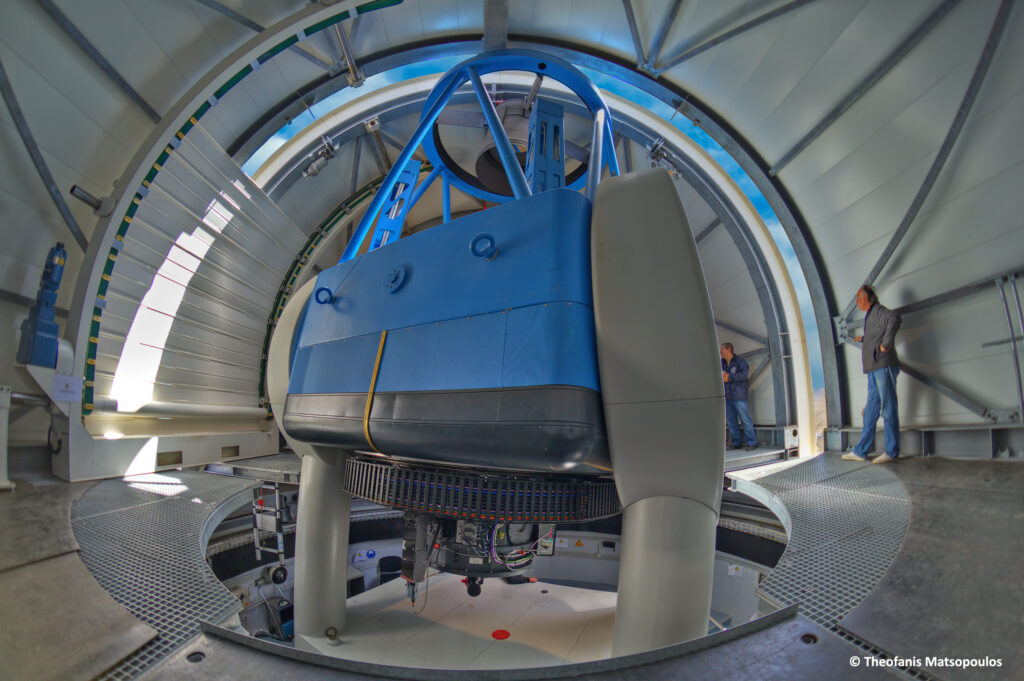
This MoI outlines the shared interest of ESA and NOA to develop optical and quantum communication technologies crucial to the advancement of European cybersecurity. Elevating satellite communications with optical technologies will enable resilient, secure and ultra-high data transmission for institutional and commercial users alike – a strategic imperative for Europe’s sovereign and secure communications capabilities.
The original MoI details the installation, operation and maintenance of optical equipment at the Helmos and Kryoneri observatories by ESA to test cutting-edge bi-directional space-to-ground links. NOA, for its part, provides the telescope time, infrastructure and manpower necessary to the execution of agreed-upon activities. The extension includes similar implementation of optical equipment into the observatory currently planned in Chios, a new location with a strong use case for maritime applications and future for lunar communications experiments. The planned observatory at Chios will join three existing OGS sites in Skinakas, Helmos and the newly completed Holomondas.
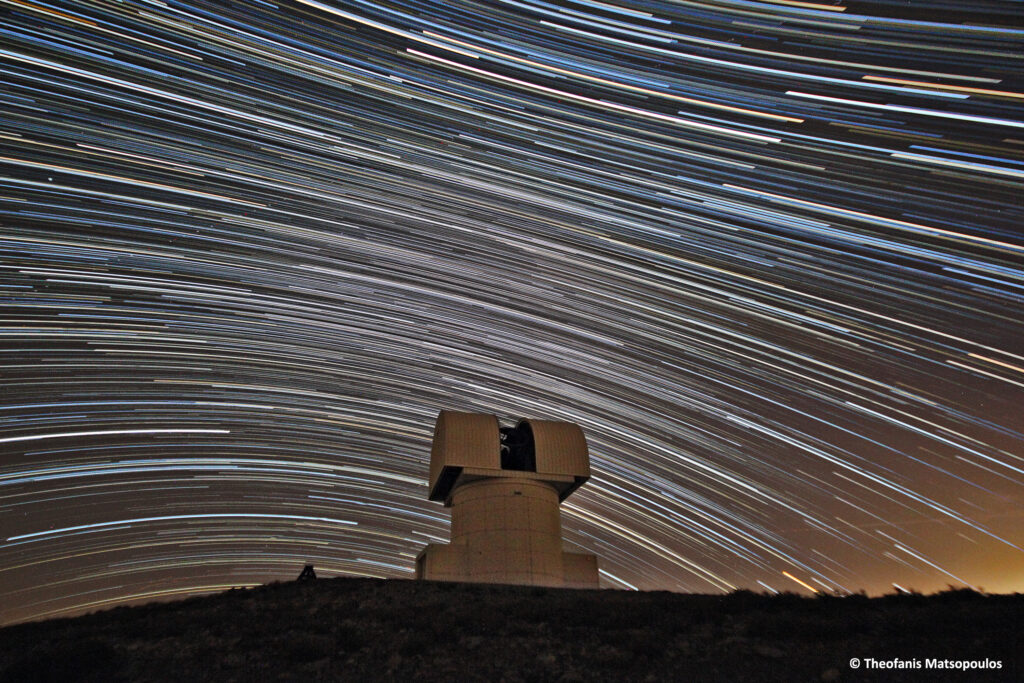
The extension highlights the success of another core provision to this successful agreement: the exchange of knowledge and the creation of new opportunities for collaboration. The MoI has laid a collaborative groundwork which has paved the way for Greece’s astronomy community to reach out to ESA through NOA, a development that is a testament to the strength of the partnerships and expertise cultivated between the two organisations. The collaboration marks the expansion of know-how in optical and quantum beyond the space ecosystem.
“This extension and the work planned in Chios will become a success story for our partners in Greece, building a long-term knowledgebase in Europe in optical and quantum satellite communication technologies,” said Harald Mathias Hauschildt, Head of ESA’s Optical and Quantum Programme Office. “Not only are these key capabilities at the leading edge of technology development, they are the foundation for a community understanding to enable European resilience and future Quantum Information Networks”.